Native Embroidery Design Review for Small Business Merch
First Impressions of Native Embroidery Design
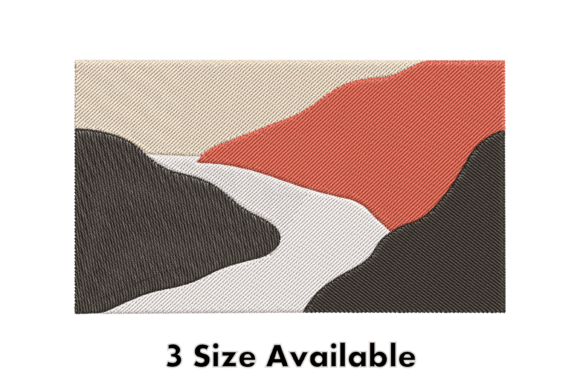
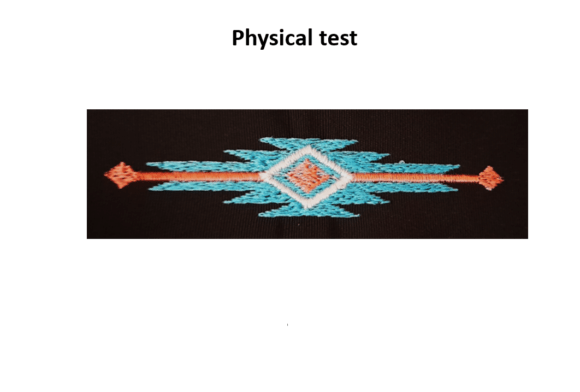
As an experienced embroidery designer, my first impression of Native Embroidery Design is that it feels handmade and rustic, with a subtle charm that suggests a connection to nature or cultural heritage. The title itself hints at authenticity, and the description confirms it’s a digital embroidery file intended for machine use. This design has a clean, simple shape that makes it versatile for a variety of small business merch applications.
The size—4.3x0.8 inches (110x21 mm)—is compact but not too small, making it suitable for patches, cap accents, or even as a subtle detail on tote bags or aprons. It's clear this embroidery file was designed with practicality in mind, which is essential when considering its use for commercial embroidery projects.
Real-World Applications for Native Embroidery Design
Native Embroidery Design can be a great fit for a range of small business merch needs. Let’s explore how it could work in different contexts:
- Embroidered Patches: The design’s dimensions make it ideal for creating custom patches for boutique merchandise, handmade product labels, or customer gifts. A local bakery or florist might use it as a branded patch on packaging or promotional items.
- Staff Uniforms: As a chest logo accent or sleeve detail, this design could add a touch of personality to uniforms without overwhelming the look. It works well with both casual and professional attire.
- Cap Embroidery: Given its small footprint, it can be used as a front cap design for event merch or branded headwear. Just ensure it doesn’t get lost on smaller caps.
- Tote Bag Design: Placed near the handles or on the front, Native Embroidery Design can serve as a subtle brand mark on tote bags, especially for eco-friendly or handmade brands.
- Apron Embroidery: Its simplicity allows it to stand out on aprons without clashing with other details. A creative studio or café might find it useful for staff or customer aprons.
- Product Packaging Accents: For Etsy sellers or craft businesses, this design could be embroidered on boxes, tags, or wraps to enhance the handmade product feel.
Where to Use Native Embroidery Design with Caution
While Native Embroidery Design is versatile, there are certain situations where extra care should be taken:
- Small Patch Sizes: Though it fits within the 4.3x0.8-inch range, reducing it further may compromise clarity. Always test the design at its intended scale before production.
- Curved Surfaces: If using it on curved areas like mugs or bottle caps, ensure the design adapts well to the surface without distortion.
- High Stitch Density: If the design requires intricate detailing, check if the stitch density is manageable on your machine and fabric type.
- Dark Uniforms: Thread color contrast is crucial. If placing it on dark fabrics, consider using white or bright thread colors for visibility.
- Frequent Washing: Ensure the design is stable and won’t fade or lose quality after multiple washes, especially if used on customer-facing items like tote bags or aprons.
Impact on Brand Identity and Customer Perception
When used thoughtfully, Native Embroidery Design can significantly enhance brand identity. Its rustic appeal adds a sense of authenticity and craftsmanship, which resonates well with customers who value handmade products and local businesses. This design can help build customer trust by reinforcing a consistent visual presence across all design assets like uniforms, packaging, and promotional items.
For small business owners, using this design can elevate the product value and create a unique visual consistency that helps with buyer engagement. Whether it's on a boutique's branded patch or a handmade item, the design contributes to a cohesive brand image that stands out in competitive markets like Etsy or local craft fairs.
Practical Embroidery Designer Notes
Before finalizing Native Embroidery Design for any commercial embroidery project, consider these practical steps:
- Test in Black and White: This helps identify potential issues with outlines or spacing before committing to full-color thread choices.
- Check Small Patch Size: Ensure the design remains legible and visually appealing at its intended size.
- Review Thread Color Contrast: Especially important for dark garments or surfaces.
- Inspect Spacing and Outlines: Look for tight curves or areas that may require additional stabilizer.
- Confirm Hoop Size: Make sure the design fits within your hoop without stretching or distorting.
- Test on Real Fabric: Different textures can affect how the design looks once stitched.
- Use Proper Stabilizer: Especially for delicate or stretchy fabrics to prevent puckering.
- Create a Printable Mockup: Share it with clients for approval before proceeding with bulk orders.
- Compare Beside Other Assets: Ensure it aligns with existing branding elements for visual consistency.
- Confirm Commercial Licensing: Always verify that you have the right to use the design for business purposes.
Native Embroidery Design offers a unique opportunity to add character to your custom apparel and small business merch. With thoughtful application and proper testing, it can become a valuable asset in your design portfolio and contribute positively to your brand’s identity and customer perception.